



Sermons & Homilies
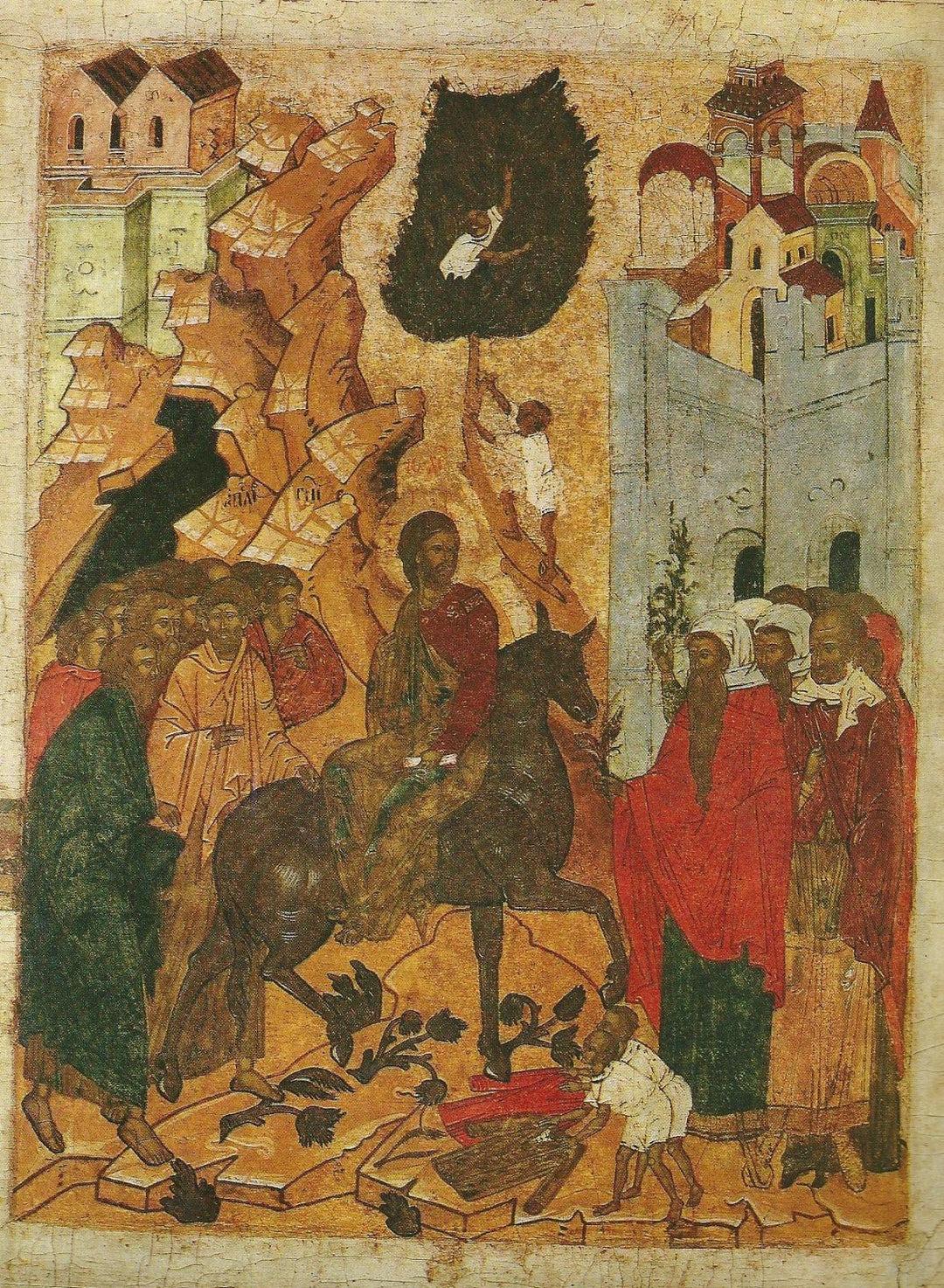
How should we live? The question is presented today, on Palm Sunday and the beginning of Holy Week, because despite how we have spent the whole of Lent, despite how we have lived our life up until now; knowing what we do about the world’s situation, and seeing the ease by which our whole country and the entire world can simply come undone - how should we live?
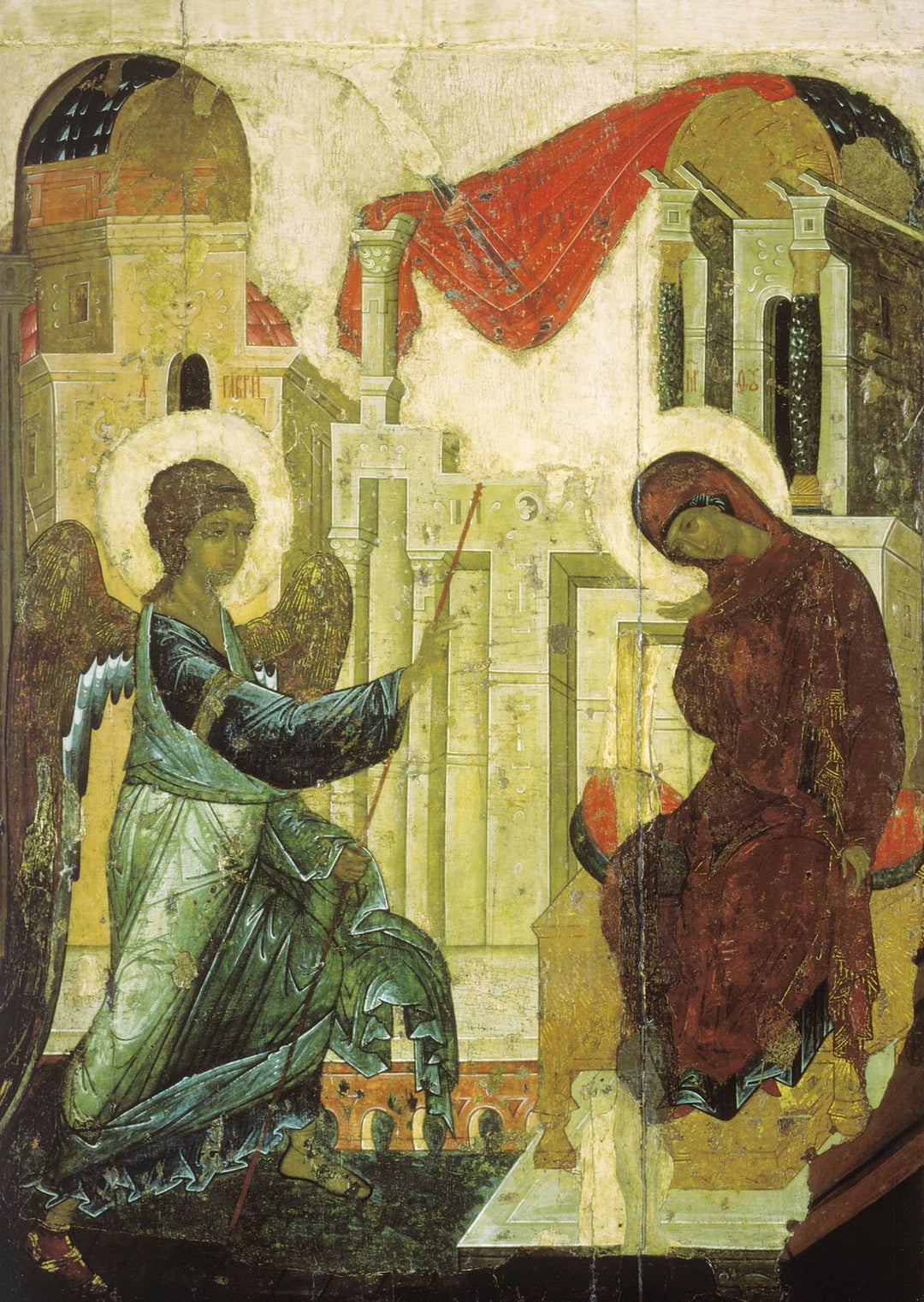
The miraculous event we commemorate today—the mystery hidden before the ages and unknown even to the angels—has its origins even outside of time, and so it had been at work already for millennia. Today is fulfilled God’s promise to faithful Abraham that in his seed shall all the nations of the earth be blessed.
Continue reading
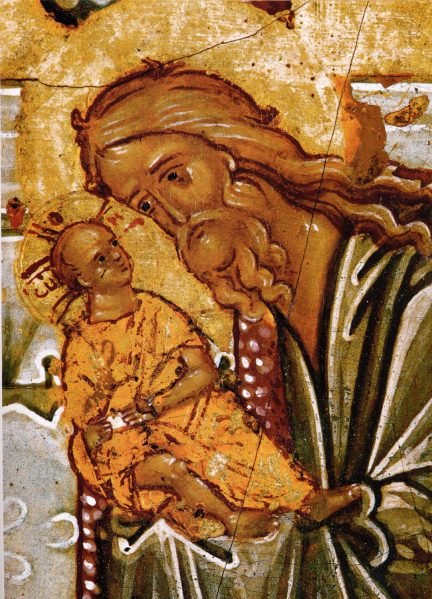
Today is the fortieth day since we celebrated the Nativity of Christ. On this day, we celebrate the Meeting of the Lord. In the book of Exodus, the Lord gave the command to Moses: “Consecrate to me every firstborn male. The first offspring of every womb among the Israelites belongs to me, whether human or animal.” (13.1-2, cf. Luke 2.23). Today, we celebrate this event, as Christ is brought into the Temple by his parents and we note their obedience to the Law, and this particular law which acknowledges God’s beneficence.
Continue reading
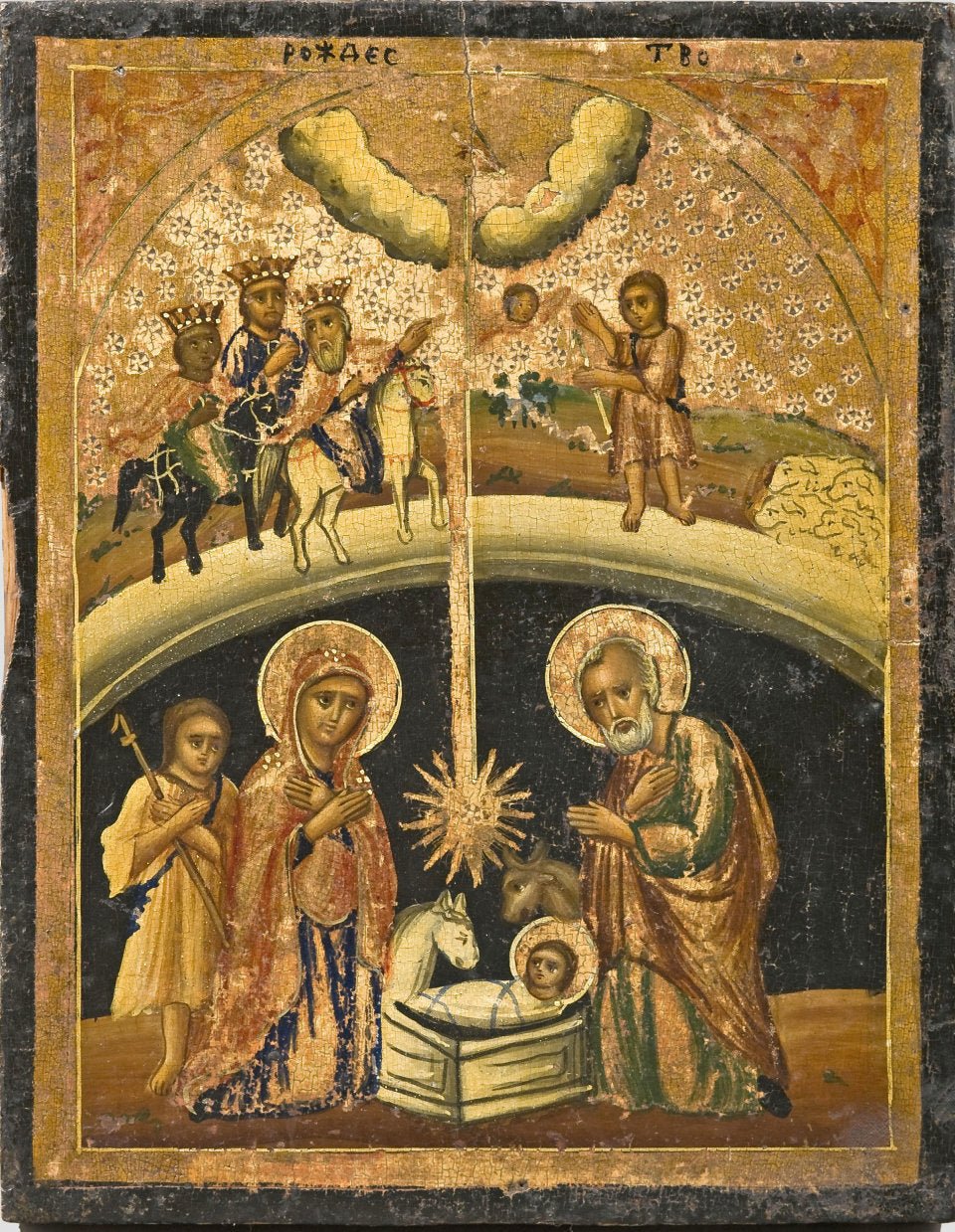
The carnal and Jewish-minded man, says St. John of the Ladder, prepares for Feasts by arranging what foods he can enjoy on them; but the spiritual Israelite, the true Christian, seeks the spiritual recompenses which are bestowed on the Feast Days. The Jewish-minded man paints within his mind with great expectation all the dishes he can glut himself with and all the dainties he can gulp down; but the spiritual man seeks how he can slake his spiritual thirst and sate his spiritual starvation.
Continue reading
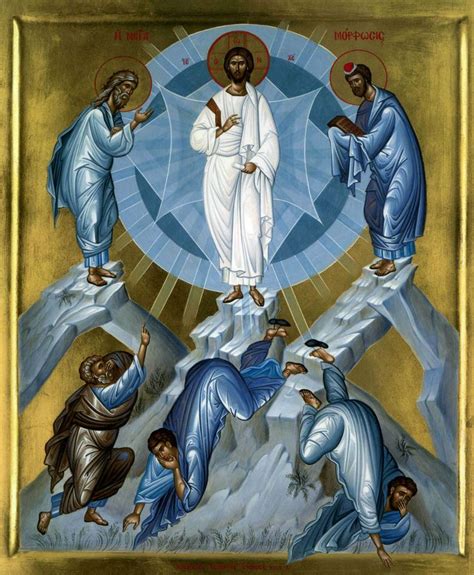
Throughout the Gospels, the divinity of Christ is revealed whether it be through the Annunciation, at His Nativity or at His Baptism. Similarly, there are several accounts where the light and glory of God is made manifest such as with Saul on the road to Damascus, or at the martyrdom of Stephen. However, in these events, His divine nature is not so manifest as it is during the Transfiguration. It is at the Transfiguration where the fullness of who Christ is becomes apparent alongside the means by which His creation is able to receive this, that is, through the opening of their spiritual eyes.
Continue reading


