



Sermons & Homilies
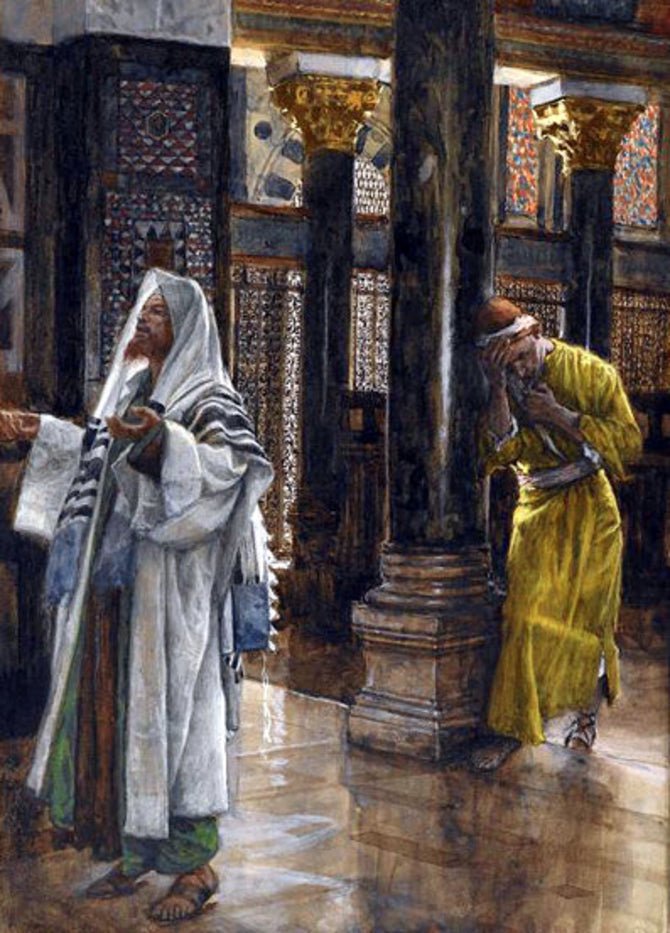
“One who is affected by pride is not even safe in heaven,” says St. John Climacus, because Lucifer was in heaven, yet because of his mad pride he fell therefrom. On the other hand St. John calls humility a “heavenly siphon, which from the abyss of sins can raise the soul to heaven.” He adds, “If the pride of some of the angels made them demons, no doubt humility can make angels out of demons. Therefore, let those who have fallen take courage!”
Continue reading
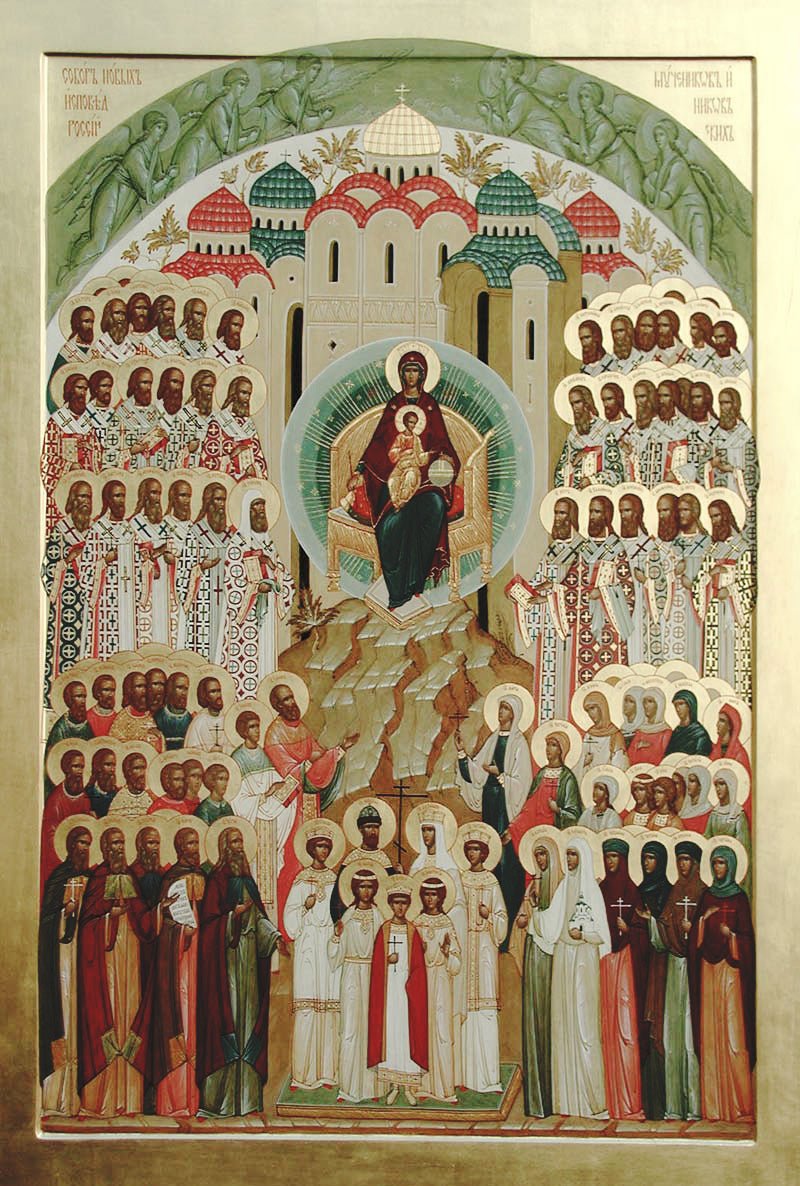
Today’s feast is a call to repentance. As many of us know, with the coming of Zacchaeus Sunday Great Lent is right around the corner. There are many of us who are tempted to think that Great Lent is the Great Season of Repentance. We hear about Zacchaeus Sunday and think to ourselves, “It’s almost time for Great Lent; I’ll just postpone this whole repentance thing for a little while longer.” This, however, is not what we see represented in today’s feast. When Zacchaeus is confronted with Christ he immediately sets out on the path of repentance. There was no season that he waited for; he acted here, now, and today. The expediency of the need to repent is a resounding testament for us because of the other great feast that we celebrate today, that of the Holy New Martyrs and Confessors of Russia.
Continue reading
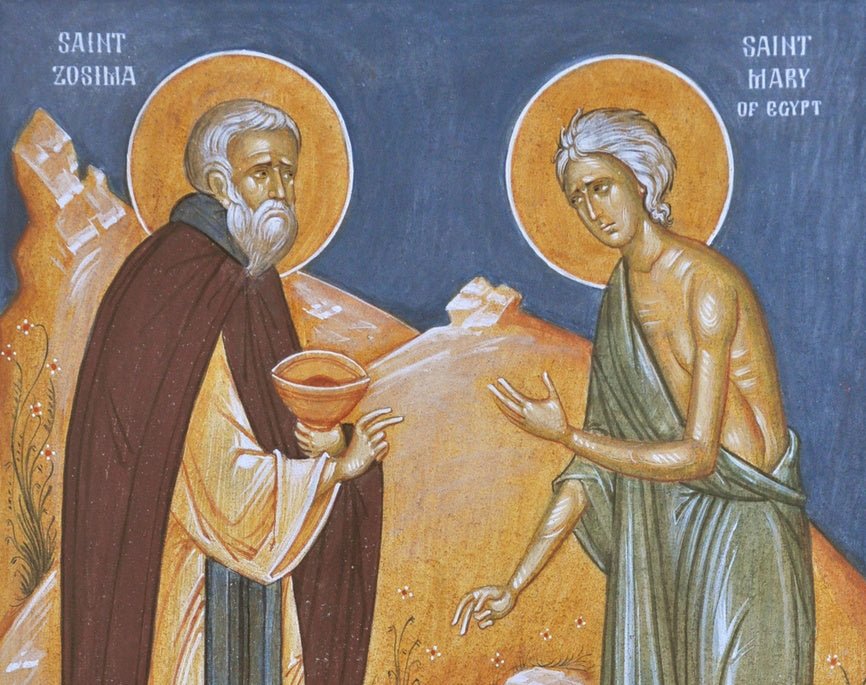
Those who do not see their sins will not possess repentance, and those who do not acquire repentance will never draw near to contrition of heart. Those bereft of contrition will never become humble, and those who are not crushed and made tender by the grace of radiant and quiet humility will never see Who Christ—the most meek and humble of heart—really is. Those who do not see God will never know Him, and those who do not know God will never be able to be exalted by insuppressible love for Him.
Continue reading
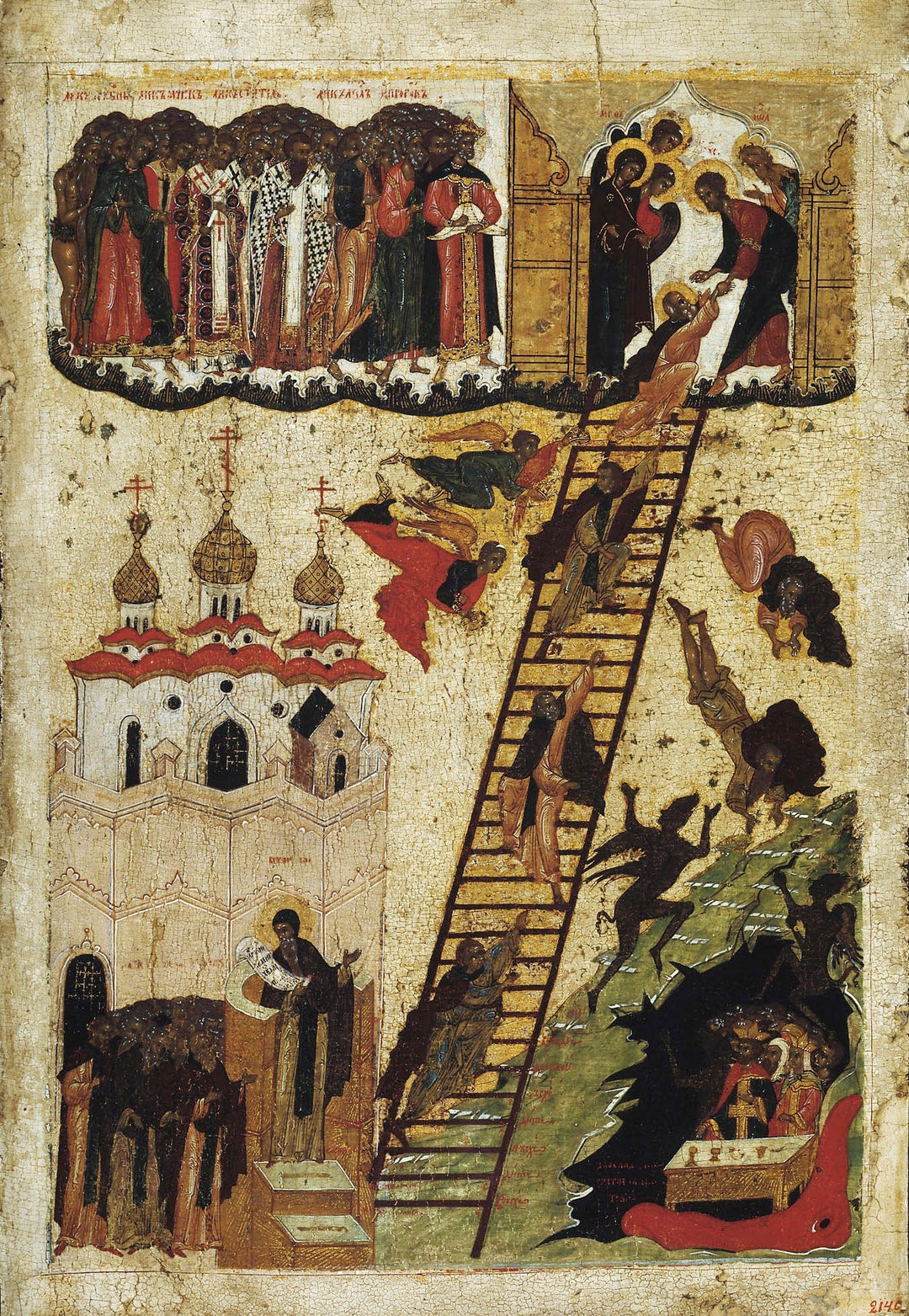
In the icon of the Ladder of Divine Ascent, we only see the image of Christ at the very top, upon the last step (of love); but, this does not mean that Christ is not with us at every step. It is true that the “light of the knowledge of the glory of God in the face of Jesus Christ” is only seen in its full, unmediated vision, at the height of the ladder’s summit: divine love and union with God—that is, only after we have struggled long and hard, co-operating with God, and His grace has freed us from sin and passion; and He has made to grow within us the fullness of His love, making us to see Him within us in the fullness of His glory.
Continue reading
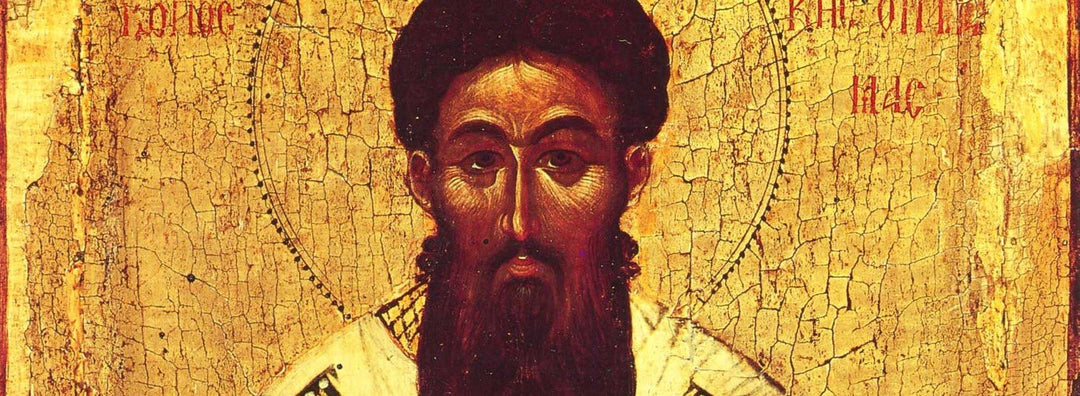
How is God known? That is the question which St. Gregory Palamas answered in his response to accusations raised by Gregoras, Barlaam, and Akindynos. After four successive synods in the fourteenth century (1341, 1344, 1347, 1351), the teaching of St. Gregory was upheld and that of Gregoras, Barlaam, and Akindynos were condemned. His teaching and their heresies were written in the Synodikon of Orthodoxy in 1453 and are read on every Sunday of the Triumph of Orthodoxy (the first Sunday of Lent). The commemoration of St. Gregory on the second Sunday of Lent is like a continuation of the Triumph of Orthodoxy because of his triumph over these heretics. St. Gregory reposed in 1359 and was canonized in 1368, only nine years after his death and seventeen years after the last synod which upheld his teaching. It is St. Gregory’s teaching on how God is known which will be the subject of our homily today
Continue reading


