


Sermons & Homilies

How the Righteous Suffer - Sermon for the Sunday after Nativity (2026)

Today, on the Sunday after the Nativity of Our Lord and God Jesus Christ, we commemorate the Holy Righteous Prophet-King David, the Holy Righteous Joseph the Betrothed, and the Holy Apostle James the brother of God and first bishop of Jerusalem. Each of these saints requires their own accolades. Each requires their own sermons. Each requires their own rightful place of honor. Each possesses their own rich history. Each possesses a rich tradition of hagiography. Each is perpetually honored by the Church, whether explicitly or implicitly.
Continue reading
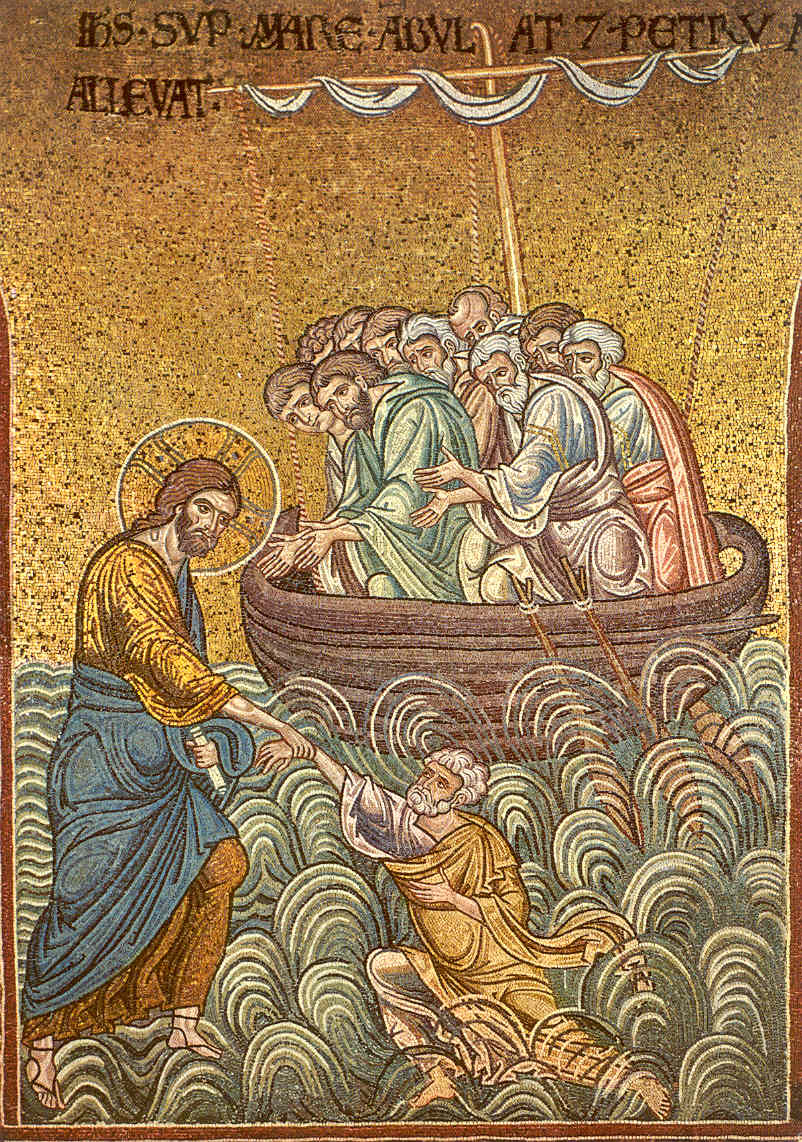
The Apostle Peter – His Great & Imperfect Love, His Active & Little Faith - Homily on the 9th Sunday after Pentecost (2025)

Greater love has no man than this, that he lay down his life for his friends, but there remains a gradient of lesser loves, such as feeding the poor or clothing the naked, but are we not often loveless and complacent? Similarly, even if a man has such extremely small faith as the size of a mustard seed, he will be able to move mountains, and yet greater faith will accomplish greater deeds, but at times, are we not so faithless and numb? As we make our way down the road to the Kingdom of Heaven, our virtues and vices collide and vacillate within ourselves, making us confused about the state of our own soul and causing us to misunderstand others.
Continue reading
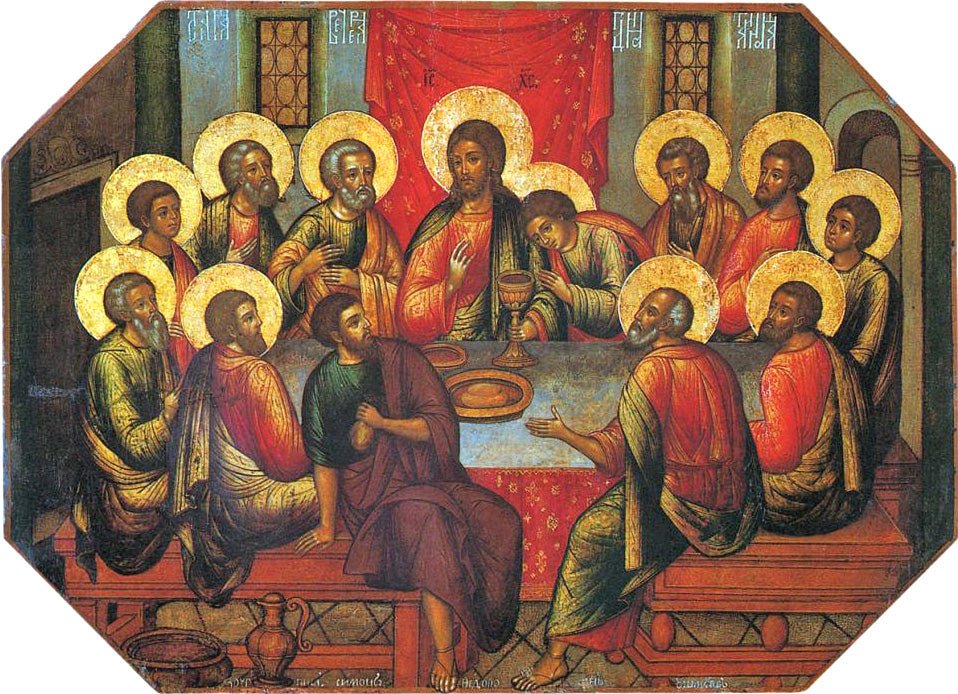
Will You Come to the Feast? - A Sermon for the 27th Sunday After Pentecost & the Sunday of the Holy Forefathers (2024)
All our lives on this earth have been given to us for this one purpose: to decide whether we want to be with God for all eternity, or whether we would really prefer for Him to simply leave us alone. Perhaps it seems to us impossible that we would ever, like the Gadarenes (cf. Luke 8:26-39), ask God to go away. But, my brothers and sisters, we must all ask ourselves: how many times a day do we, too, “[begin] to make excuse” (Luke 14:18), offering to God (as well as to ourselves) various justifications for the fact that all sorts of other things so often seem more necessary and important to us than being with Him? To put it another way: do we often find ourselves looking for every opportunity to lay earthly things aside and spend more time in prayer? Or do we often find ourselves looking for every excuse to lay prayer aside, and spend more time immersed in the cares and pleasures of this world? Thank God, we have been given all our lives to repent, to learn at long last to make the right decision when we hear His divine call. But, my brothers and sisters, this does not mean we do not have to make the decision until the end of our life finally arrives. No, we make this decision constantly, every minute of every hour of every day: do we want to be with God, or not? In each and every moment, we accept or refuse God’s invitation to His Heavenly Banquet.
Continue reading
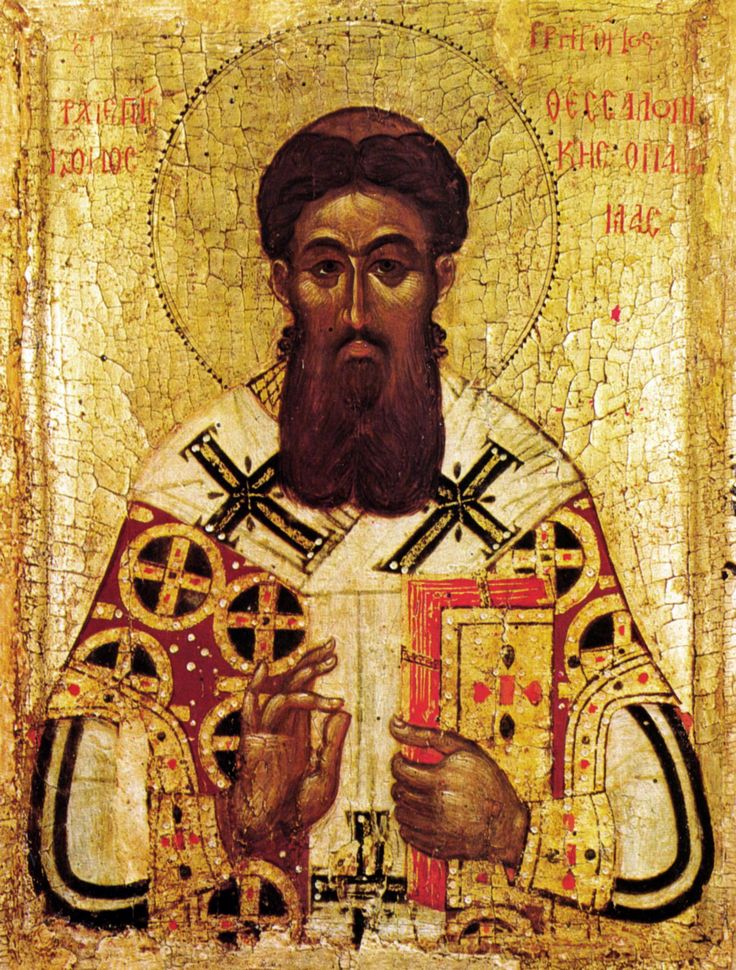
The Heart of Tradition - A Sermon for the Sunday of St. Gregory Palamas (2024)
The feast of St. Gregory Palamas this Sunday is a second Triumph of Orthodoxy. It was first instituted less than 10 years after St. Gregory reposed in the Lord. This is a remarkable fact. This ought to tell us something. It says, our Fathers recognized something so important and essential in the life and teaching of St. Gregory that they did not hesitate to accord it public veneration and to praise it with sacred hymns, even while he was within living memory.
Continue reading
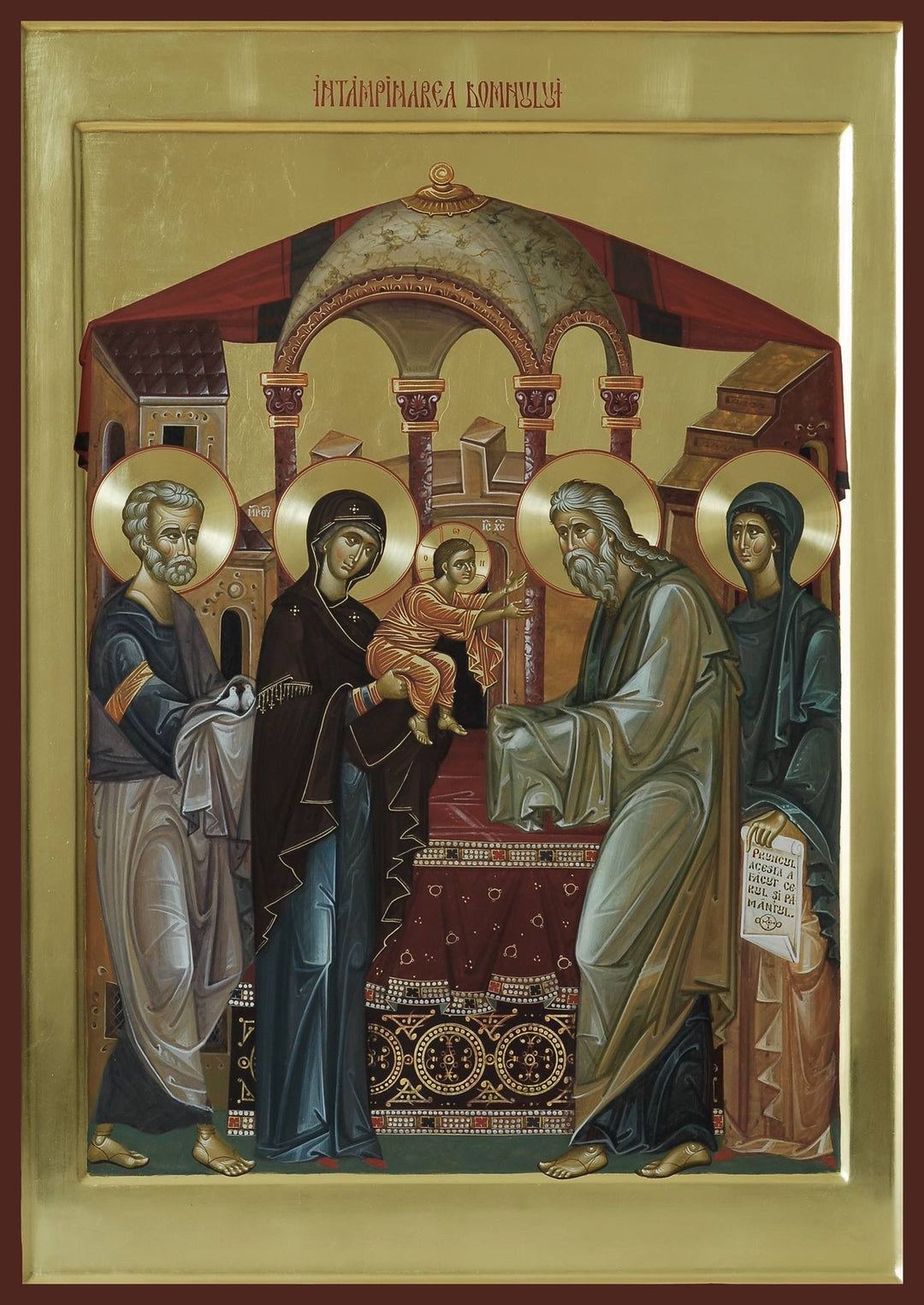
Symeon the God-receiver and Patient Endurance - Homily on the Feast of the Meeting of Our Lord (2024)
Today is the fortieth day since we celebrated the Nativity of Christ, and so today, we celebrate the Meeting of the Lord, a Feast of the Lord having its roots in the book of Exodus wherein the Lord gave the command to Moses: “Consecrate to me every firstborn male. The first offspring of every womb among the Israelites belongs to me, whether human or animal.” (13.1-2, cf. Luke 2.23). We celebrate this event today because Christ is the firstborn male, and the first offspring, and, therefore, was brought into the Temple by his parents, confirming their obedience to the Law.
Continue reading